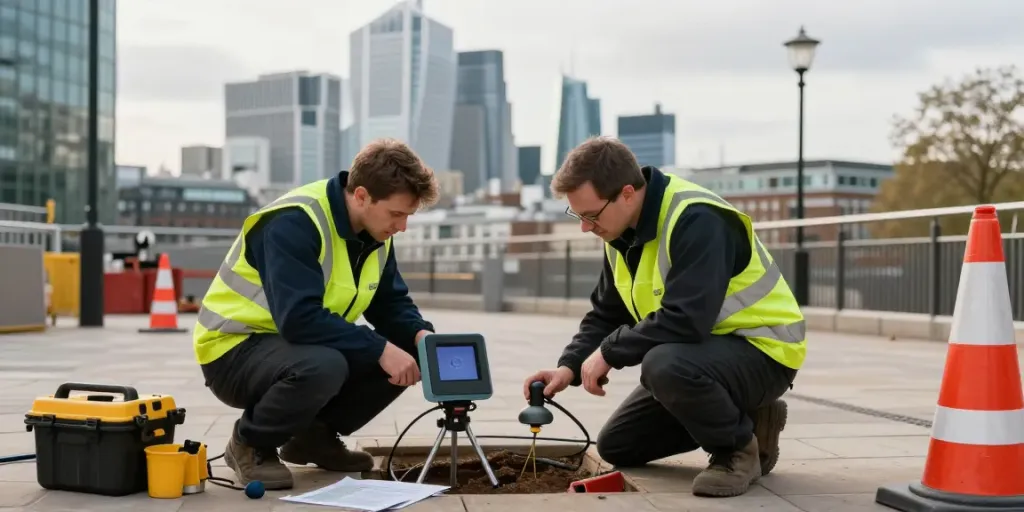
Understanding Buried Services Detection Techniques
The underground world is a complex tapestry of utilities that power modern infrastructure, from water and gas lines to telecommunications cables. Understanding buried services detection is crucial, especially in urban environments like London, where subsurface conditions can be mysterious and hazardous. With advancements in technology and growing regulatory demands, accurately identifying these utilities has never been more critical. Buried Services Detection London emerges as a pioneering solution in this domain, applying cutting-edge methods to ensure safety and compliance for various projects.
What are Buried Services?
Buried services refer to the various pipelines, cables, and conduits that are located beneath the ground. These include, but are not limited to:
- Water mains
- Gas pipelines
- Electric power cables
- Telecommunication lines
- Sewage and drainage systems
These utilities are often laid at varying depths and can sometimes overlap, creating a complex underground network that poses significant risks during construction or modification work. Understanding the location and nature of these services is vital for anyone involved in excavation or construction activities to avoid accidents, service disruptions, and legal repercussions.
Key Methods for Detection
There are several reliable techniques employed for buried services detection, each suitable for different conditions and requirements. Key methods include:
- Ground Penetrating Radar (GPR): This non-invasive technique uses radar pulses to image the subsurface, providing detailed information about the depth and location of buried utilities.
- Electromagnetic Locating: This method uses electromagnetic fields to detect metallic pipes and cables, offering a quick solution for locating services.
- Hydro-Excavation: This technique utilises high-pressure water to dig and expose utilities without damaging them, ideal for sensitive areas.
- Manual Probing: Sometimes, the simplest method is effective; manual probing can help locate utilities in certain scenarios.
Importance of Proper Detection
Proper detection is crucial for several reasons:
- Safety: Accidental strikes can cause injuries or even fatalities.
- Cost-Effectiveness: Avoiding damage to existing utilities can save significant repair and downtime costs.
- Compliance: Many regulations require utility detection before excavation to prevent accidents and environmental impacts.
Challenges in Buried Services Detection
Common Misconceptions
One of the prevalent misconceptions surrounding buried services detection is the belief that it is a simple process. Many assume that all underground utilities are accurately documented and easily detectable. In reality, outdated maps, undocumented installations, and the dynamic nature of underground services create challenges for detection.
Technical Obstacles
Technical obstacles can also hinder effective detection. Variability in soil composition, depth of burial, and the presence of other utilities can complicate the process. Additionally, the limitations of certain technologies under specific conditions can lead to incomplete or inaccurate results.
Safety and Compliance Considerations
Safety is paramount when working around buried services. Compliance with safety standards and regulations is essential to protect both workers and the public. Failing to detect utilities correctly can result in severe accidents, legal liabilities, and project delays.
Advanced Technologies in 2026
Ground-Penetrating Radar Innovations
As we look towards 2026, innovations in GPR technology are revolutionising how we approach buried services detection. Enhanced resolution, real-time data processing, and improved software algorithms are making it easier to identify complex utility layouts accurately.
Electromagnetic Techniques Explained
Electromagnetic techniques are also advancing, with new devices capable of detecting deeper and non-metallic buried services. These improvements are crucial as more utilities use composite materials that traditional methods struggle to locate.
Data Analysis and Reporting Tools
Modern data analytics tools are providing utilities managers and construction planners with real-time, actionable insights. These tools facilitate better planning and risk assessment, ensuring that projects can proceed smoothly without unexpected interruptions.
Best Practices for Effective Detection
Planning Your Detection Strategy
A well-thought-out detection strategy is critical for success. This includes conducting thorough pre-excavation surveys, using a combination of detection methods, and maintaining accurate records of utility locations.
Maintaining Equipment and Techniques
Consistently maintaining detection equipment and techniques ensures that they remain effective and reliable. Regular calibration and updates to training for personnel can further enhance safety and accuracy.
Case Studies of Successful Surveys
Learning from case studies can provide invaluable insights into best practices. A notable example includes a major infrastructure project in London, where a multi-faceted approach to buried services detection reduced the risk of utility strikes by 70% compared to traditional methods.
Future Trends in the Industry
Emerging Technologies to Watch
Looking ahead, several emerging technologies are poised to impact the industry. For instance, drones equipped with ground-penetrating radar are being developed to survey large areas quickly and safely.
Regulatory Changes Affecting Services
Regulatory changes are expected to tighten requirements for utility detection, making compliance even more critical. Stakeholders must stay informed and prepare for these changes to avoid penalties.
Predictions for the Buried Services Detection Market
The buried services detection market is projected to grow significantly in the coming years. This growth is driven by the increasing complexity of infrastructure projects and the heightened focus on safety and compliance.
How to Identify Underground Utilities?
Identifying underground utilities typically involves a combination of techniques, including GPR, electromagnetic locators, and manual probing. Planning a survey that employs multiple methods will yield the best results.
How Deep Should Utilities be Buried in the UK?
In the UK, the depth at which utilities should be buried varies by type. For instance, gas and water pipes are generally buried at least 750mm deep, while some electrical cables may be as shallow as 450mm. Consultation with local regulations is crucial to ensure compliance.
What Equipment is Best for Buried Services Detection?
The best equipment for buried services detection depends on the specific site conditions and requirements. GPR provides excellent detail for complex subsurface environments, while electromagnetic locators are efficient for straightforward tasks. The choice of equipment should align with the nature of the project.
What are the Common Risks in Utility Detection?
Common risks in utility detection include damaging existing utilities, misinterpreting data due to technical limitations, and failing to comply with safety regulations. Understanding these risks and implementing effective mitigation strategies is essential.
How to Ensure Safety During Surveys?
To ensure safety during surveys, it is vital to adhere to established protocols, provide proper training for staff, and use the right equipment. Employing a comprehensive risk assessment prior to excavation activities can further safeguard against accidents.